What is a Mechanical Workshop, Its Types, and Safety Precautions
Published: 21 Dec 2025
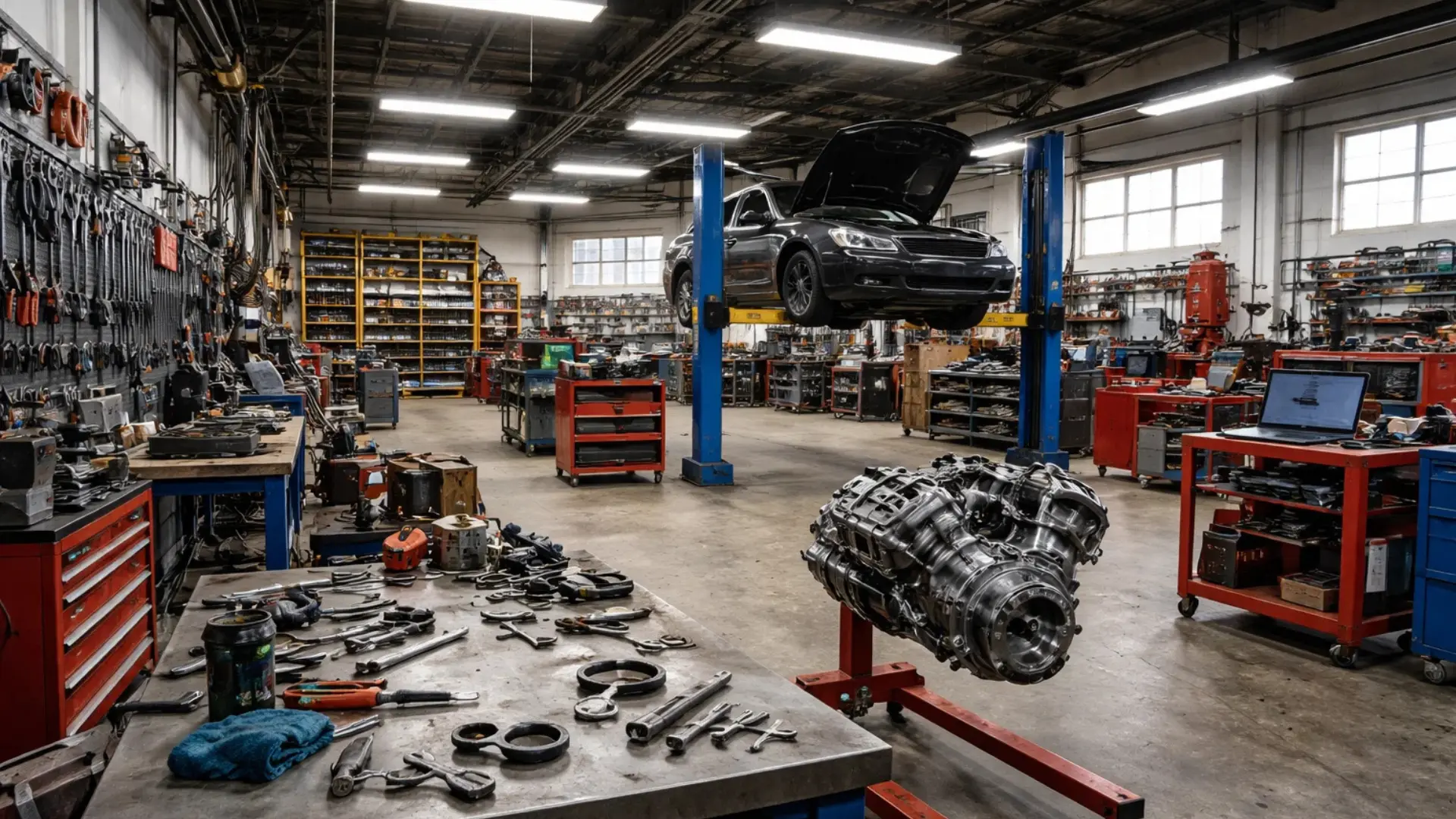
In this article, we will discuss what a Mechanical Workshop is, the types of Shops, and the safety precautions for a Mechanical Workshop. Mechanical workshops play a vital role in the engineering, manufacturing, and maintenance industries. They provide a controlled environment where machines, tools, and skilled workers come together to fabricate, repair, and assemble mechanical components safely and efficiently.
What is Mechanical Workshop
A mechanical workshop is a specialized workspace where mechanical operations such as cutting, shaping, welding, assembling, and repairing metal or non-metal parts are carried out. Mechanical workshops are often established in industrial areas, training institutions, and maintenance departments. They help transform raw materials into finished products and ensure machinery works smoothly through proper servicing and repair.
Types of Shops in Mechanical Workshop
A mechanical workshop is divided into different shops, each designed for a specific type of work. Below are the main types explained in detail.
Fitting Shop
A fitting shop is where components are manually shaped and assembled to achieve accurate dimensions and proper fitting.
Purpose:
Its main purpose is to train workers to achieve precision and understand assembly techniques.
Activities:
- Marking and measuring
- Cutting and filing
- Drilling and tapping
- Assembly of parts
Equipment Used:
Bench vice, files, hacksaw, chisels, hammers, try square, drilling machine.
Machine Shop
A machine shop is a section where material is removed using machine tools to produce accurate parts.
Purpose:
To manufacture components with high accuracy and a smooth surface finish.
Activities:
- Turning
- Milling
- Drilling
- Grinding
- Boring
Equipment Used:
Lathe machine, milling machine, drilling machine, grinding machine, CNC machines.
Foundry Shop
A foundry shop is where metal casting is carried out by pouring molten metal into molds.
Purpose:
To produce complex-shaped components that are difficult to manufacture by machining.
Activities:
- Pattern making
- Mold preparation
- Melting metal
- Pouring and cooling
- Cleaning castings
Equipment Used:
Furnace, crucible, molds, ladles, sand mixer, protective gear.
Forging Shop
A forging shop is where metal is shaped by applying compressive force, usually at high temperature.
Purpose:
To increase the strength and durability of metal components.
Activities:
- Heating metal
- Hammering and pressing
- Shaping and finishing
Equipment Used:
Forge furnace, anvil, power hammer, tongs, and presses.
Carpentry Shop
A carpentry shop is responsible for shaping and preparing wood and wooden components that assist with mechanical and other support work.
Purpose:
To create wooden patterns, handles for tools, and temporary support structures.
Activities:
- Cutting and shaping wood
- Joining and finishing
- Pattern making
Equipment Used:
Saws, chisels, planes, clamps, measuring tools.
Welding Shop
A welding shop is a place where metal parts are permanently joined using heat or pressure.
Purpose:
To create strong joints for fabrication and repair works.
Activities:
- Arc welding
- Gas welding
- TIG/MIG welding
- Cutting and brazing
Equipment Used:
Welding machine, electrodes, gas cylinders, welding helmet, and gloves.
Maintenance Shop
A maintenance shop focuses on repairing and servicing machines and equipment.
Purpose:
To ensure smooth operation and extend machine life.
Activities:
- Inspection and troubleshooting
- Repair and replacement
- Lubrication and alignment
Equipment Used:
Spanners, wrenches, measuring instruments, lifting tools, diagnostic tools.
Safety Precautions for the Mechanical Workshop
Safety is extremely important in any mechanical workshop. Common safety precautions include:
- Wearing proper personal protective equipment (PPE).
- Keeping the work area clean and organized
- Using tools and machines correctly
- Avoid loose clothing near machines
- Follow all safety signs and instructions
- Proper training before operating machines
- Immediate reporting of hazards or accidents
Conclusion
In conclusion, this article has covered what a mechanical workshop is, its types, and safety precautions in detail. We hope you find this guide helpful.



- Be Respectful
- Stay Relevant
- Stay Positive
- True Feedback
- Encourage Discussion
- Avoid Spamming
- No Fake News
- Don't Copy-Paste
- No Personal Attacks
- Be Respectful
- Stay Relevant
- Stay Positive
- True Feedback
- Encourage Discussion
- Avoid Spamming
- No Fake News
- Don't Copy-Paste
- No Personal Attacks
